Dishwasher Tips & Tricks
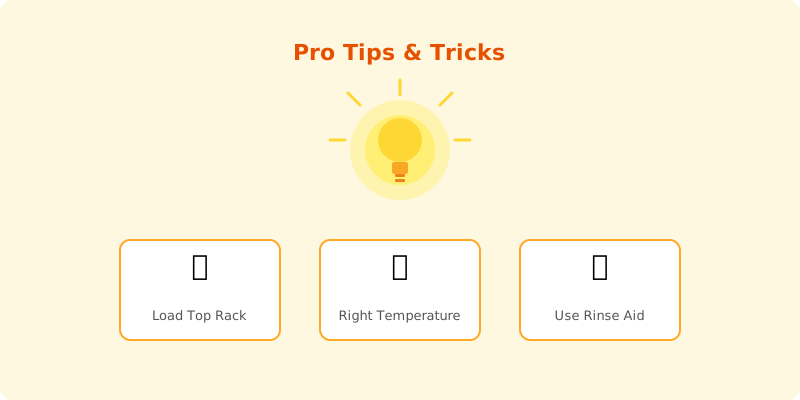
Getting the most out of your dishwasher isn't just about knowing what goes in — it's about how you load it, what products you use, and how you maintain the machine. These expert tips will help you get sparkling results every single time.
Loading Your Dishwasher Like a Pro
Proper loading is the single biggest factor in how well your dishwasher cleans. A poorly loaded dishwasher wastes water, energy, and leaves you with dirty dishes.
Bottom Rack Strategy
- Plates face inward toward the center spray arm for maximum water contact
- Angle large items so water can drain off — flat surfaces trap dirty water
- Leave space between items so water and detergent can circulate freely
- Place pots and pans upside down and at an angle to prevent pooling
- Don't nest items — bowls stacked together won't get clean on the inside surfaces
Top Rack Strategy
- Cups and glasses go face down so they fill with water during the wash and drain during drying
- Plastic containers on top only — the bottom rack is too close to the heating element
- Secure wine glasses between the tines or use the stemware holders if your dishwasher has them
- Angle mugs slightly so water doesn't pool in the concave bottom
- Place lightweight items securely — water jets can flip small plastic items upside down
Utensil Basket Tips
- Mix utensils up — alternating forks, knives, and spoons prevents nesting
- Place handles down for spoons and forks so the eating surface faces the water jets
- Butter knives go handle down but sharp knives should be hand washed (see our hand wash guide)
- Don't overcrowd — utensils need space for water to reach all surfaces
Choosing the Right Detergent
Not all dishwasher detergents are created equal. The type you choose can significantly affect your cleaning results.
Detergent Types Compared
| Type | Pros | Cons |
|---|---|---|
| Pods / Tablets | Pre-measured, convenient, often include rinse aid | More expensive per load, can't adjust amount |
| Powder | Affordable, adjustable amount, works well in hard water | Can be messy, easy to use too much |
| Gel / Liquid | Dissolves quickly, no residue risk | Often less effective than pods or powder |
Detergent Tips
- Don't use too much. More detergent doesn't mean cleaner dishes. Excess detergent leaves a filmy residue.
- Store detergent properly. Keep it in a cool, dry place. Moisture causes pods to clump and powder to harden.
- Never use regular dish soap. Hand dish soap creates massive suds that will overflow your dishwasher and potentially damage it.
- Consider your water hardness. Hard water areas may benefit from powder detergent or a detergent booster.
The Magic of Rinse Aid
Rinse aid is one of the most underused dishwasher products. If you're not using it, you're missing out on significantly better results.
- Prevents water spots by reducing the surface tension of water so it sheets off dishes
- Improves drying — dishes come out dryer, especially plastic items
- Reduces streaking on glassware
- Helps in hard water areas by preventing mineral deposits
Water Temperature Matters
Your dishwasher needs hot water to clean effectively. Most dishwashers heat their own water, but starting with hot water from your tap makes a difference.
- Run the hot tap at your kitchen sink before starting the dishwasher so the first fill is hot water, not cold
- Ideal temperature: 120°F (49°C) from your water heater is the sweet spot — hot enough to clean, not so hot it bakes on food
- Check your water heater if dishes consistently come out greasy or with food residue — the water may not be hot enough
Cycle Selection Guide
Most people only use one or two cycles. Here's when to use each:
- Normal / Auto: Your everyday cycle. Sensors detect soil level and adjust water and time accordingly.
- Heavy / Pots & Pans: For baked-on food, greasy pans, or heavily soiled loads. Uses more water and higher temperatures.
- Light / Quick: For lightly soiled dishes that just need a refresh. Saves water and energy.
- Sanitize: Raises the final rinse temperature to kill 99.9% of bacteria. Great for cutting boards, baby items, and sick-household cleaning.
- Eco / Energy Saver: Uses less water and lower temperatures. Takes longer but saves on utility bills.
- Rinse Only: Just rinses dishes when you're waiting to run a full load. Prevents food from drying on.
Dishwasher Maintenance
A well-maintained dishwasher cleans better and lasts longer. Here's a maintenance schedule to follow:
After Every Load
- Leave the door slightly ajar to let moisture escape and prevent mildew
- Wipe down the door gasket (seal) if you notice food particles
Weekly
- Clean the filter — pull it out, rinse under running water, and scrub with a soft brush
- Check and clean the spray arms — remove any debris blocking the spray holes
- Wipe down the door edges and control panel
Monthly
- Run an empty cycle with a dishwasher cleaner or a cup of white vinegar on the top rack
- Inspect the drain for any debris or buildup
- Check the rinse aid level and refill if needed
Every 6 Months
- Inspect the door gasket for wear, cracks, or mold
- Check the spray arms for mineral buildup — soak in vinegar if needed
- Clean the exterior thoroughly, including the handle and edges
Troubleshooting Common Issues
Dishes Still Dirty After a Cycle
- Check and clean the filter
- Make sure the spray arms can spin freely
- Don't overload — water needs to reach every surface
- Run the hot water tap before starting
- Use the correct amount of detergent
White Film or Spots on Glassware
- Use rinse aid or increase the rinse aid setting
- Check your water hardness — you may need a water softener or different detergent
- Don't use too much detergent
Dishes Don't Dry
- Use rinse aid — it's essential for drying
- Use the heated dry option if available
- Open the door slightly when the cycle finishes to let steam escape
- Plastic items rarely dry completely — this is normal due to plastic's low thermal mass
Bad Odors
- Clean the filter — trapped food is usually the culprit
- Run a cleaning cycle with vinegar or a dishwasher cleaner
- Check the drain hose connection for proper installation
- Leave the door slightly open between uses
Have more questions? Check our common myths page to separate fact from fiction, or head back to our safe items guide for what can go in.